Roles and Responsibilities of an NGO Working For Education in India
Do you know? Education is a fundamental human right and a crucial factor in economic and social development. Furthermore, it empowers children to achieve their desired goals and contribute to the progress of their nations and communities. India has taken significant steps to expand access to education for all children, particularly the most underprivileged and vulnerable ones.
Nevertheless, numerous gaps and challenges remain that must be addressed to ensure inclusion, quality, and equity in education. It is where an NGO working for education in India plays a significant role in enhancing the education system for deprived communities of rural areas. NGOs are non-profit, independent, and voluntary groups that operate at local, national, and international levels to address various social issues.
Additionally, one of the significant roles of the best NGO in India is to provide fundamental access to quality education for all deprived children, regardless of their gender, disability, location, or background. Furthermore, NGOs achieve this by developing training programs for teachers, distributing educational materials, providing schools with resources, offering scholarships, and advocating for policy reforms. Moreover, in this blog, we will discuss the crucial roles of NGOs in providing education to children.
Fundamental Role of an NGO Working for Education in India
Popular NGOs in India are organizations with a non-profit character that operate according to their objectives without governmental interference. Non-profit organizations strive to raise public awareness and address issues in various social, ecological, and other fields. Civil Society Organizations (CSOs), commonly known as NGOs, are the major actors in the development sector.
Furthermore, the drive for education and literacy in India is primarily a consequence of the significant contributions from NGOs in the country. In this section, you will gain in-depth knowledge about the role of NGOs in inclusive education.
1. NGOs and Education
NGOs, such as PARD INDIA, are organizations that aim to benefit society as a whole. For the education sector, the best NGO for education in India undertakes activities such as facilitating access to education, enhancing the quality of education, and developing innovative solutions to address educational problems. Furthermore, these institutions primarily work in association with the governments, along with other stakeholders involved.
3. Encouraging Quality Education
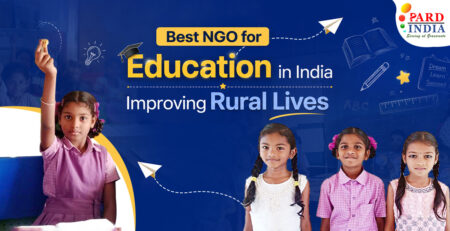
In addition, a central mission of NGOs in education is enhancing the quality of this single one. NGOs aim to improve education in schools through the provision of teacher training, the development of learning materials, and the provision of quality infrastructure, among other initiatives. Apart from that, the best education NGO in India works hard to promote the implementation of inclusive education, ensuring that all children receive the best learning experience.
4. Facilitating Universal Access
NGOs create a mechanism that ensures everyone has access to education, regardless of their family’s income level, gender, or place of residence. Additionally, they fight against whatever barriers, such as poverty, inequality, and substandard facilities, that render education inaccessible to all.
5. Bridging the Gender Gap
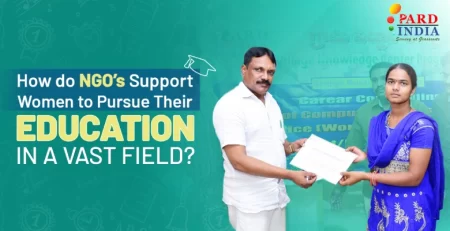
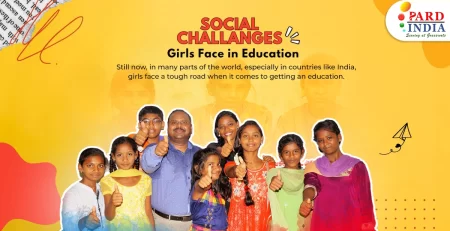
Education is among the top priorities for gender equality among popular NGOs in India. Moreover, they work on addressing gender stereotypes within access to education, providing girls and women with equal educational opportunities, such as those offered to their male peers, and actively promoting programs that support gender-specific learning environments.
6. Empowering Marginalized Communities
NGOs provide priority educational services to disadvantaged groups, including refugees, ethnic minorities, and low-income individuals. Additionally, they offer community learning centers, scholarship programs, and vocational training to uplift these communities, creating educational opportunities that were previously unavailable.
7. Encouraging Life Skills and Values
A leading and the best NGO in India recognizes the significance of holistic development and utilizes curricula that subtly infuse life skills, values, and character education alongside scholastic education. Moreover, such courses help students develop their unique skills, including critical thinking, problem-solving, communication, and empathy, and prepare them for life by promoting success in both academic and professional settings.
8. Resolution of Education-Related Issues
NGOs also play a significant role in addressing educational issues. Incorporating measures to enhance these educational outcomes, organizations seek to support children with poor enrollment, early school leavers, and underperforming students in lessons. Apart from that, NGO working for education in India also help develop girls’ education and ensure that they have the same educational opportunities as boys.
9. NGO-Government Partnership
NGOs often put their efforts into collaboration with authorities to solve the issues of education in the nation. Therefore, they collaborate with relevant state agencies to develop and implement programs and legislation that aim to achieve quality education outcomes. Also, NGOs are informed about the government’s plans for school system reform and propose alternative solutions.
10. NGOs and Community Involvement
Apart from that, the best NGO for education in India is actively involved in the fields of education and society, aiming to raise awareness among the general public. An NGO working for education in India extends its support to community members and parents, raising awareness of the importance of education and encouraging them to educate their children. NGOs are also promoting community-based education programs that are tailored to the specific needs of particular communities.
Education Indicators in India & NGO Impact
| Indicator | Value / Stat | Year / Source | Relevance to NGOs’ Role |
| Gross Enrolment Ratio (GER), primary | 103.4 % | 2021-22 | Indicates a high level of enrollment (including over-age/under-age children); NGOs may focus more on quality and retention than just enrolment. |
| School enrolment, tertiary (% gross) | ~28 % (latest) | World Bank | This indicates that access to higher education remains limited; NGOs may help bridge the gap in higher education opportunities. |
| Teachers in India (school level) | > 1 crore (10 million) | UDISE+ 2024-25 report | NGOs can assist with teacher training, support, and capacity-building. |
| % of NGOs working in education or health | ~ 80 % | Great Place To Work India report | Emphasizes how many NGOs are already active in the education & health sectors. |
| Total children reached by top NGOs annually | ~ 40 million | Combined impact estimate | Demonstrates the scale at which NGOs operate and influence. |
| Number of out-of-school girls re-enrolled (Educate Girls) | ~ 2 million | Educate Girls impact data | Example of how an NGO specifically addresses gender gap & retention. |
| States where Sampark Foundation works | 8 states | Sampark Foundation profile | Illustrates regional reach of NGO |
It’s Time to Wrap Things Up!
When it comes to finding the best NGO in India, which is known for its excellent work in this field, it is one of the tedious tasks. However, at this position, PARD INDIA is helping thousands of deprived children across the country. We are running live campaigns and programs to raise awareness about the fundamental right to education for every child. However, if you are interested in contributing to such wise work, you can join us today!
Apart from this, to gain in-depth knowledge of the things we work on, you can contact us directly and obtain all related information. So, what are you waiting for? Come and join us in this journey of filling the gap between children and education because they deserve the best life to build their future.
Donate, Spread A Word, or Volunteer with Us!