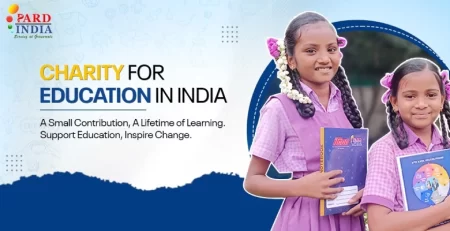
Breaking the Barriers: Types of Social Challenges Girls Face in Education
Still now, in many parts of the world, especially in countries like India, girls face a tough road when it comes to getting an education. Therefore, it is not just about money. It’s also about society’s small mindset. It’s 2025, and there are still some major communities where age-old beliefs, gender stereotypes, and outdated customs continue to restrict all opportunities that girl children need to build their fruitful careers.
However, in this blog, we’ll explore the social barriers that prevent girls from attending school, understand the environment that creates these hurdles, and examine how PARD INDIA, a non profit organisation, can work together to build a future where every girl can learn and grow.
Understand Social Barriers in the Context of Girls’ Education
Social barriers are the intangible walls erected by habits, traditions, and cultures. For girls, these usually arise from traditional notions regarding gender roles, fear of security, and social censure. They can appear in glaring forms, such as families not sending girls to school, or in insidious ones, such as holding expectations that girls give up education for domestic work.
1. Key Social Barriers Confronted by Girls in India
Girls in India suffer from a variety of obstacles that prevent them from completing their education. To add to that, these obstacles are usually based on attitudes from families, individuals with limited-mindedness, and societal views that give boys preference over girls.
2. Patriarchal norms and gender discrimination
A lot of families still think that boys must be schooled as they will earn money for the family, while girls will do domestic duties and get married. This kind of thinking prevents girls from attending school and limits their future opportunities.
3. Pressures of Early Marriage and Childbearing
Child marriage is still a bitter truth in many regions of India. After marriage, girls are expected to manage domestic life, making it practically impossible for them to return to school and pursue further education. Their education is cut short before it has a chance to flourish.
4. Safety Concerns and Harassment
The parents always fear for the safety of their daughters when they are going to or from school. In rural or remote locations, the lack of nearby schools and secure means of transportation can make attending school seem unsafe, deterring families from sending their daughters to school.
5. Unavailability of Sanitary Facilities in Schools
If schools lack clean and separate toilets for girls, particularly at the time of menstruation, most girls do not attend school. Gradually, such absenteeism results in dropouts, particularly due to a lack of awareness and support.
6. Preference for Spending on Boys’ Education
In low-income families, parents invest in their sons’ education, hoping it will yield greater returns. At the same time, girls are viewed as temporary household members who will get married and leave the house.
Socioeconomic Factors That Reinforce These Barriers
Social barriers are difficult enough, but poverty and ignorance can make it even tougher. These added obstacles form a cycle that is difficult to end without help.
1. Poverty and the Burden of Domestic Work
Poor families often rely on their daughters to manage the household or earn extra income. With their hands full at home, girls do not have time to attend school, and school is a luxury they cannot afford.
2. Low Parental Literacy and Awareness
If parents have not had an education themselves, they might not appreciate the importance of education for their daughters. They might perceive school as unnecessary for girls and make choices that cut their learning short.
3. Cultural Beliefs About Girls’ Roles in Society
Most communities still hold the view that a girl’s primary function is to be a wife and mother. This perception influences the way families think and behave, preventing them from viewing their daughters as future leaders, professionals, or game changers.

The Psychological Impact of Social Barriers on Girls
In addition to the evident challenges, social pressure also shapes the self-perception of girls. Ongoing discrimination and a lack of encouragement cripple their confidence, leading them to doubt themselves and abandon dreams of grandeur.
How Can Families and Communities Shatter Such Barriers?
Change does not always begin in parliaments or offices. It happens at home. If families know the importance of girls’ education, everything starts to change. Local leaders, teachers, and role models can encourage communities to think critically and devise innovative solutions to address pressing issues. As one of the best charities to donate to India, we share success stories and inspiring tales of educated girls who can create the kind of change we need.
The Significant Role of Government and Policy in Bridging the Gap
The government has made immense efforts to ensure education for girls through countless programs. Therefore, these programs include Beti Bachao, Beti Padhao, mid-day meals, and free school uniforms. However, the actual effect is realized when these policies permeate all areas, particularly rural ones. Safety, hygiene, and legal protection are the key areas that require attention through efforts that benefit each girl.
How is PARD INDIA Addressing Social Hindrances in Girls’ Education?
At PARD INDIA, we are committed to following in the footsteps of international charity organizations in promoting girls’ education. Therefore, we are convinced that education is the key to empowerment. We operate at the grassroots level, and through our efforts, we ensure that not only do girls attend school, but they also remain, learn, and grow. Through our campaigns for the education of the girl child, we are proactively:
- Stopping child marriages with awareness runs
- Engaging parents to encourage the education of girls
- Providing safe, inclusive schools
- Providing life skills and digital learning platforms
- Engaging communities to become partners in change
With help from volunteers, donors, and local leaders, we’ve already helped thousands of girls continue their education and chase their dreams.
It’s Time to Wrap Things Up!
Social barriers that block girls from education may be deeply rooted, but they are not impossible to remove. When families, communities, governments, and organizations like PARD INDIA, the best NGO in India, come together, real change happens. As we live in 2025, we should stand against this thinking because every girl child has the right to learn and receive an education. When we empower a girl with education, we empower a community. Support PARD INDIA in empowering girls to learn, lead, and inspire others. Help educate girl children today, because their tomorrow makes our country’s tomorrow.