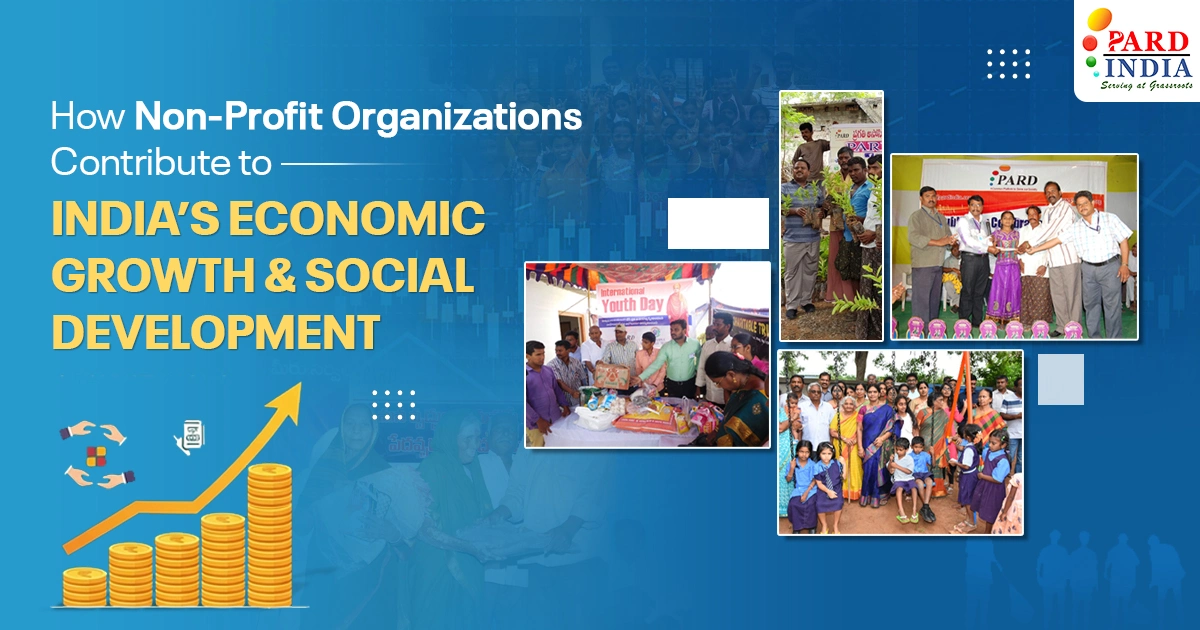
How Non-Governmental Organisations Contribute to India’s Economic Growth?
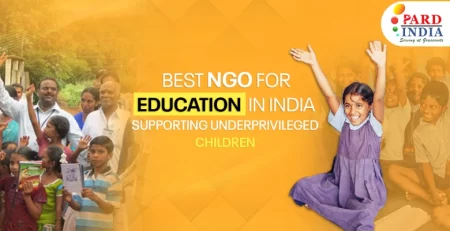
India ranks second as the most populous country, with a large population. While 4.6% of people live in extreme poverty, earning less than $1.50 a day. The best NGO in India has worked relentlessly for years to bring this figure down to 4.6 since Independence. The people who still fall under this 4.6% mostly come from rural or remote areas where access to education, employment, and food is difficult. Making their life extremely tough, as they have no resources to help. This is why they need special support from NGOs so they can live a little differently.
With recent growth in India, the seventh-largest country by land area. The government has launched many programs to support non profit organizations in India. These organizations work to improve our society by addressing problems such as education, healthcare, women’s rights, and the environment. Let’s explore the role of NGOs in India and what makes them truly impactful. How do they change the lives of children who couldn’t afford to attend school to empower women to run their businesses?
What is the Role of Non Profit Organization in India?
Before diving into the role, let’s first understand what an NGO is. NGOs are non profit organizations in India run by groups of individuals to address societal problems where government support is weak or lacking. They work independently, funded by public funding and by businesses that want to help people. It’s a welfare group that helps educate children, house widowed women, teach poor orphans, and protect women, among other things. Let’s briefly reflect and understand the role of these NGOs in India. The information below covers detailed information about the role of NGOs.
1. NGO as Voices for the Poor
The top 10 NGOs in India have the biggest influence in the country, and their voices are even heard by governments. Therefore, they act as spokespersons for the poor or low-income people and attempt to influence government policies and programs. Sometimes they even propose the plan to the government so it can be implemented or launched. These NGOs demonstrate their ideas by running pilot projects, volunteer campaigns, and even launching public forum engagement.
2. Bridging the Gap
Non-governmental organizations (NGOs) also implement policies that provide financial and social support to help people bridge the gap. They ensure government programs reach those in need and overlooked by government projects.
3. Research and Development
Non profit organizations in India even conduct research and assist in collecting data for development, advancing knowledge on current topics. After conducting research and collecting data, many NGOs collaborated to develop creative solutions to social problems based on the research.
4. Acts as a Middleman
NGOs are non-profit organizations run by individuals without government support. However, they act as middlemen between governments’ policies and the people who need them. Their sole goal is to improve the welfare of citizens by fulfilling the needs of individuals in the marginalized communities. The top 10 NGOs in India are respected globally for seeking financial aid and doing remarkable work.
5. Empowering Women
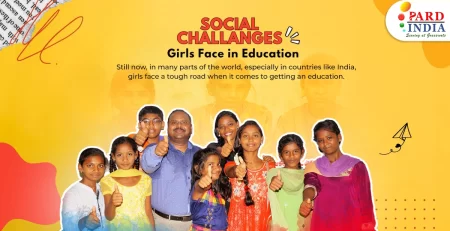
NGOs take a stand against many forms of discrimination going on in our societies. Including taking a stand against gender-based discrimination to support and empower women. They took the initiative and advocated for such issues. Together with them, we can create a world free of discrimination and a space where everyone is treated fairly and respectfully, regardless of gender.
What Makes These NGOs Truly Impactful in Society?
There are many NGOs that can be considered the best NGO in India. However, every NGO should be recognized for its work, even if it helps just a few people. Even as a group of 100 people, they continue to do social work without profit or greed. As it’s essential to give a chance to those who really want to help people, PARD INDIA is a prime example. That every NGO, from small to large, needs a chance. PARD INDIA, which began as a study group, has now emerged as a global NGO through its commitment and relentless work.
All the best NGO in India have different goals and objectives, targeting issues to address in society. Some work for education, some for the elderly, some for women’s empowerment, some for food, and the list goes on. Some top organizations can make global changes all at once, and they must continue to do so. Therefore, supporting them for efficiency is vital. When an individual or corporation chooses to partner with the best NGO in India, they must look for factors such as:
- Transparency in the work done and the funds collected from people, whether an organization or a person.
- Having a strong presence and working for Glassroots communities.
- NGOs that show tangible results and measurable impact through their initiatives.
- One introduces long-term sustainable development programs for society.
- Approach empowerment-based policies instead of short-term relief
- Take accountability and have legal compliance
- Introduce policies aligned with social responsibility goals.
Wrapping It Up!
Choosing an NGO to donate to is the wisest decision we need to make. However, it shouldn’t be that complicated. Just choose the best NGO in India that is actually helping people. Whether a big or small NGO, it doesn’t matter. You can just follow the pointers above to verify authenticity if you’re making a really big donation to charity. This blog has walked you through all the information regarding the information and its greater impact on society.
These changes made by NGOs are recognised and contribute to the economic growth of a country as large as India. The growth of each region of people is the overall growth. One of the best NGO in India that ticks all the above points is PARD INDIA. Make sure to contribute to help the region of people who need grassroots support.
FAQs
Ans: Both NGOs serve different purposes. Now, it’s up to you who you want to help. If you want to support broad policy or national disaster relief, choose a large NGO. However, if you plan to see a direct, tangible change in a specific community, you should choose a local NGO that serves at the grassroots level, like PARD INDIA.
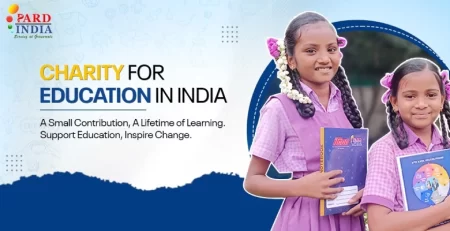
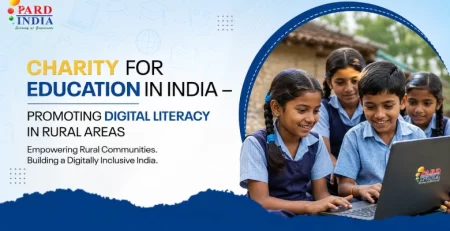
Ans: NGO runs a charity for education in India to empower marginalized communities and their children. They create livelihood opportunities, conduct research, and influence policies, thereby strengthening economic structures and promoting sustainable national development.
Ans: Major NGOs like PARD INDIA, Save the Children, CRY, and Nanhi Kali have transformed millions of lives. By supporting over 12 million children and 50,000 girls.
Ans: Charity for education in India, as well as many other programs run by PARD INDIA, are widely recognised. We are legally registered under the Andhra Pradesh Societies Act. You can enjoy tax exemptions without legal complications.
Ans: Yes, we strongly believe in the power of time and skill. Through our V-Force initiative, professionals can volunteer remotely or on-site.