How Does Education in Rural Communities Improve the Overall Quality of Life?
Education is a vital tool that can help in ending the cycle of poverty for rural families and improve their quality of life. It equips youth with the necessary tools to prepare them for a better future by helping them become financially independent. Education, including academics and skill development, creates opportunities for earning and raises much-needed awareness in rural families. That is precisely why the best NGO for education in India focuses on education first, as the improvement in the quality of life comes with it.
In this blog, you will find more information on the considerable impact of educational NGOs in helping rural families and the multi-dimensional changes they are bringing about.
Impact of Education on the Quality of Life in Rural Communities
Education solves the root cause of poor life quality and serves as a base for financial and social development. Thus, the impact of education on life quality is highly significant and changes things for the better. Let’s learn about the impact in detail:
1. Better Employment Opportunities
Education equips individuals with skills required to get employment, which enable them to access higher-paying jobs. In addition to corporate jobs, education in rural communities promotes business opportunities through skill development and self-employment. This leads to increased household income and financial stability. Thus, educating rural kids is an essential step toward financial independence in underprivileged and deprived communities.
2. Financial Independence and Management
Educated communities have a significantly higher chance of breaking the cycle of poverty because of awareness and the ability to make better financial decisions. A problem with a lack of education is that it leads to poor financial decision-making, which proves to be disastrous on many occasions. This is why educating rural families is important and helps them with better financial management.
3. Health and Well-Being
Education raises awareness about nutrition, sanitation, hygiene, and preventive healthcare. Educated individuals have a higher chance of disease prevention because of awareness and knowledge about how to seek help. Therefore, educated people do not ignore disease symptoms and take every necessary precautionary measure for prevention.
4. Women Empowerment and Gender Equality
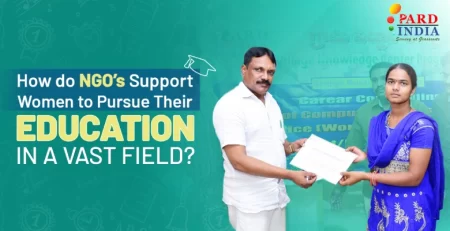
The best NGO for education in India prioritizes women’s education and ensures that no girl child is deprived of education because of cruel social norms. Educated women have a significant impact on society, and families with educated women tend to do extremely well. Also, this improves the overall family income in families with both men and women contributing to the finances.
5. Technological Advancement
Education helps rural populations adapt to digital tools, modern technology, and advanced farming techniques. Rural youth with technical knowledge bring their families into the mainstream in terms of healthcare, lifestyle, and education.
6. Agricultural Awareness and Modernization
Farming and agriculture are India’s core pillar that supports a large proportion of the Indian economy. However, farmers in India are deprived of basic human needs and struggle for basic healthcare and other resources. That is why education for farmers is extremely pivotal for improving their overall life quality and bringing them out of the poverty loop.
7. Social Issues and Traditions
Higher literacy rates are associated with lower rates of child labor, early marriage, and social exclusion. Education fosters awareness, critical thinking, and informed decision-making. High dropout rates and absence of basic education are some of the prominent reasons behind the backwardness of rural societies. Providing basic education to rural families is the major solution to address raising social issues.
8. Environmental Awareness
Educational programs encourage responsible use of natural resources and sustainable practices, helping rural communities preserve their environment for future generations. For example, lack of education in rural families forces them to cut trees for wood instead of opting for cooking gas. Multiple similar obstacles can be overcome with the help of education and awareness.
How PARD INDIA Makes Every Donation Count
PARD INDIA, the best NGO for education in India, is a non-profit organization and entirely depends on donations for social welfare work. Therefore, we make sure that every donation we receive counts and is used for the welfare of the deprived and underprivileged. Our volunteer teams, under the guidance of our founder, Mr. Bethala Veera Swami, serve honestly and help the rural families and underprivileged individuals. Improving the quality of life is our primary motive, and to do that, PARD INDIA covers multiple aspects of human life, including healthcare, food, education, cleanliness, and hygiene.
Be a part of the change brought by PARD INDIA and support us through donation or volunteer work. Every donation made to our NGO will be used transparently and will feed the deprived, educate the underprivileged, and break a cruel social practice.
Concluding Note
Education is the foundation for social and economic development in rural communities. It empowers individuals as well as societies with knowledge, improves health and livelihoods, and is a crucial resource to bring them out of the cruel cycle of poverty. Education serves as the base for improvement in quality of life and helps in solving the root problem of poor life quality.
Through our various education initiatives and the READ project, PARD INDIA is committed to creating a better living environment and building a brighter future for underprivileged families. Every contribution, whether through donations or volunteer work, helps bring quality education and a better life within reach for those who need it most.
FAQs
Lack of awareness about education in rural families stems from the following reasons:
- They have limited access to quality education, and low literacy levels restrict awareness about health, finances, rights, and modern opportunities.
- The economic backwardness and poverty force families to focus on immediate needs, and education is the first thing that they sacrifice.
- Traditional beliefs, social norms, and gender biases often discourage the adoption of new ideas and limit access to opportunities.
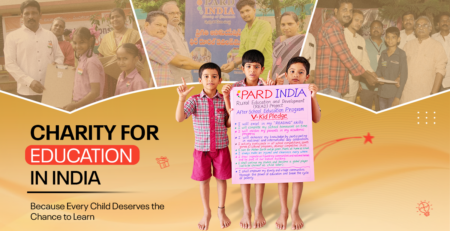
The READ Project by PARD INDIA addresses the obstacles in V-kids’ education and helps them get access to modern study resources. It includes providing children with technological knowledge, career opportunities, and saving them from the dangerous practice of child labor.
Education significantly improves healthcare and helps rural families receive the right facilities. Rural families with basic education know about the importance of prevention and maintain hygienic practices. Thus, education proves to be one of the most crucial tools in improving the quality of life, and PARD INDIA, with its educational campaigns, is ensuring that every rural kid receives equal opportunity for education.
Educating women benefits society in the following ways:
- Improves family health, nutrition, and overall well-being.
- Increases employment opportunities and household income.
- Encourages children’s education and reduces illiteracy.
- Promotes gender equality and strengthens community development.
You can be a part of PARD INDIA’s education initiative through donations or volunteer work. We host campaigns and educational camps throughout India targeting the underprivileged; you can be a part of these campaigns and help us reach more families.