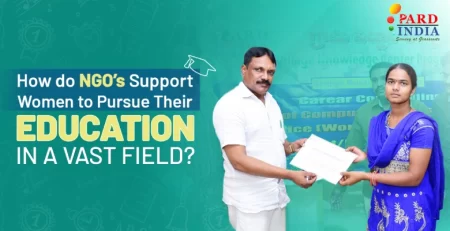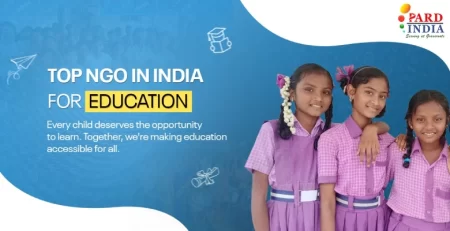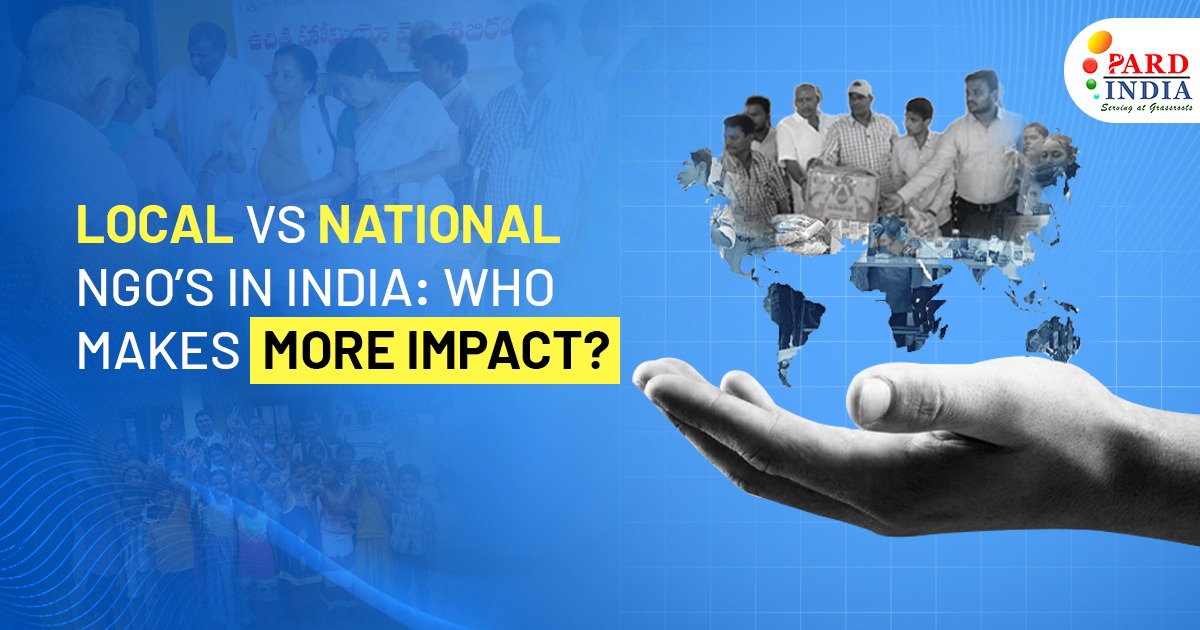
Why Rural India Needs Both Local Heroes and National Organizations
NGOs are the backbone that drives the future of India’s education landscape. Some of the popular NGOs in India have taught millions of students by now and continue to educate millions more. It shapes the future of children who have lost hope and don’t even dare to dream, children whose dreams are now distinct. All they focus on is feeding themselves and their family with two meals a day. Poverty and lack of awareness in rural areas are reasons why India’s future is working in fields while giving up on education. The issue has been addressed by a group of members who formed NGOs.
Leading to millions of non-profit organizations that, as of now, are striving to help marginalized communities in many issues. A few popular NGOs in India have evolved over time and now provide education for children through digital models. Backed by some of the most influential people and government acknowledgement, the NGOs have been integrating AI, forming digital classrooms, and providing skill-based learning. These approaches not only educate children, but also nurture them. The children gain the skills and education, making them ready to make the world a better place. The blog covers the
Glassroot Strength: Who to Choose For Donation?
There has been a massive surge in social consciousness in India. Larger crowds are coming forward to help, but the first instinct is often to turn to popular NGOs in India. While they do handle massive national campaigns and policy, the rural parts of some remote places always end up left out. There are places they can’t always reach, so what can we do to help the left-out people who still need help? Well, many local NGOs are working tirelessly to make those communities better places. They run awareness campaigns, provide free education, support local workers, and help them get along.
Contributing to rural development isn’t just about choosing between a giant organization and a local one. It’s about understanding their ecosystem, how they help solve the problem they tackle, and many other aspects we don’t even know exist yet. Even though search engines are full of popular NGOs in India. The true heartbeat of rural development often lies in community-led organizations like PARD INDIA.
Founded in 1986, PARD INDIA works for people’s action for Rural Development. It is a registered non-profit organization operating primarily in Tamil Nadu and Karnataka, with a decade of on-ground experience. They have so far helped many villages and communities and shaped the lives of millions of people, not just children. They provide educational support, support women’s development, serve mid-day meals, and run skill development programs. Furthermore, they work to prevent child labour, serve cooked meals in villages, and promote community health and safety awareness. There are many other approaches that help them become one of the most popular NGOs in India.
Here’s what sets PARD INDIA apart:
1. Educational Programs
PARD INDIA runs have taken many educational initiatives to help children at different stages, whether in primary or high schools. There are programs like bridge schools, digital centers, and even scholarship programs for underprivileged children.
2. Global Donor Transparency
They also offer detailed project reports on any amended donations from donors, maintaining financial disclosure. Additionally, the impact metrics for their international contributions are provided by them to maintain transparency.
3. Sustainable Development Goals
PARD India’s initiatives are closely aligned with the UN’s SDG goals. Especially SDG 4, which focuses on Quality education, and SDG 5, which talks about Gender equality.
4. Tax Benefits for Overseas Donors
PARD INDIA is registered under FCRA, which allows it to offer tax-reduction benefits to donors who contribute from abroad. By offering such benefits, PARD INDIA establishes itself as the local yet influential NGO.
Giants NGO: What National Organization Brings to the Table
Large organizations have a large network and hold significant influence that extends even to the government and internationally. They do the bigger life-changing world, and that’s why they are popular NGOs in India. From policy remake to policy formation, disaster relief, and wide reach, you can always find them there. The major steps they take include policy formation.
They work with the central government to change laws that benefit people in need and benefit many people at once. Additionally, due to large backups and high donations, they can easily launch campaigns across 20 states simultaneously. Spreading awareness worldwide and educating people. They create distinct models that can be replicated by small NGOs, groups, and, sometimes, the government.
The worldwide and large trends are what make them popular. However, broad campaigns and NGOs sometimes miss the specific cultural nuances of a village in Andhra Pradesh. Therefore, the giants and powerful NGOs are excellent at macro-management. However, the specific village requires micro-solutions.
Final Words!
The problem in rural India requires the attention of both local NGOs working with communities and big, popular NGOs in India. Collaboration can effectively address issues ranging from the digital divide to health and sanitation. Furthermore, if the two NGOs work together, they will tackle the problem more quickly and effectively. The ideal future of India wants the popular NGOs’ power and vision, and local NGO implementation experts to get the best of both worlds. As local communities are likely to hear the neighbour more than an outsider from the city. The local NGOs’ tactics can, overnight, change the scenario by fulfilling immediate village needs.
In a local NGO, the number of people at the administrative levels is smaller, which allows for a tighter grip on people. Here, lower administrative overheads allow more rupees to reach the beneficiary. They are popular NGOs in India that help people more closely, from basic personal needs to social awareness, covering it all. So, next time, if you go straight to the large, popular NGOs, keep in mind that local NGOs might have a smaller global impact. But has the biggest impact on a family from a small village.
FAQs
Ans: Both NGOs serve different purposes. Now, it’s up to you who you want to help. If you want to support broad policy or national disaster relief, choose a large NGO. However, if you plan to see a direct, tangible change in a specific community, you should choose a local NGO that serves at the grassroots level, like PARD INDIA.
Ans: Most top lists are made based on revenue size, marketing budgets, and digital presence. A smaller organization focuses its limited resources on field implementation rather than PR agencies or advertising.
Ans: PARD utilizes a “right to education” approach driven by local volunteers. Instead of large-scale applications, our team conducts field research to identify dropouts and child laborers. From there, we choose students and help them achieve their dreams.
Ans: Absolutely. Unlike many organizations, we encourage Special Tourism. We invite donors and volunteers to visit our project sites in the Andhra Pradesh region. Interact with beneficiaries and witness the transformation or work done so far.
Ans: Yes, we strongly believe in the power of time and skill. Through our V-Force initiative, professionals can volunteer remotely or on-site.