Share Food, Save Lives: Impactful Giving with the Top NGO to Donate Food in India
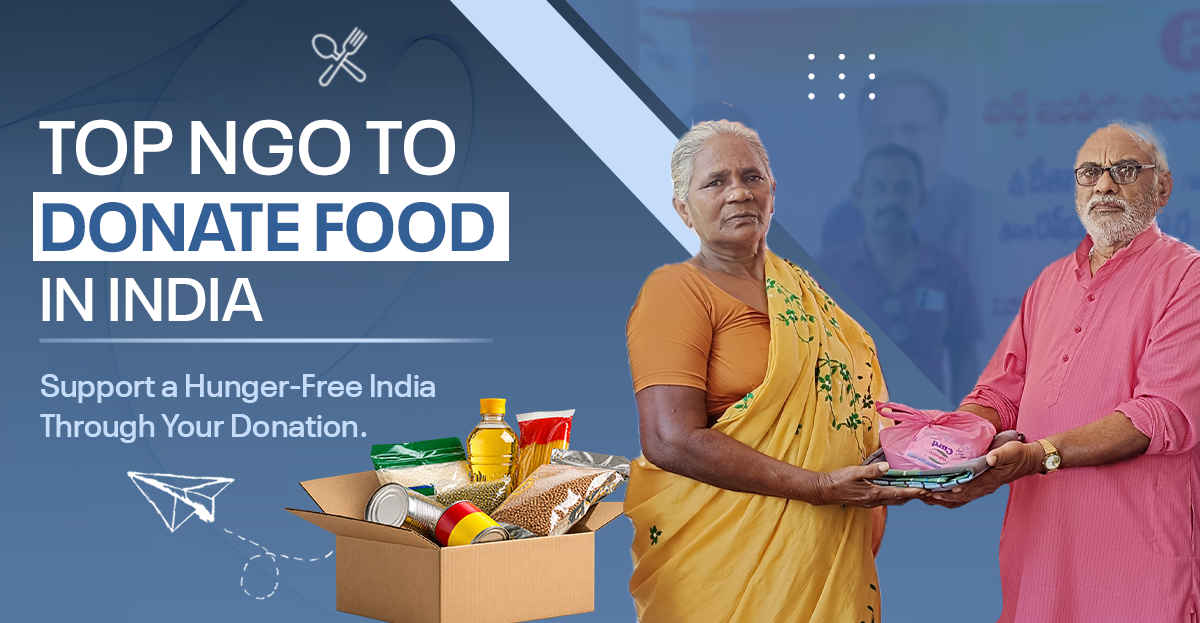
When it comes to our country, which is so vast and abundant in terms of resources, there is a bitter irony: it has been presented as an NGO to donate food in India. Every year, tons and tons of surplus food are wasted at extravagant functions and urban homes. Yet the vast majority of the population suffers from hunger and goes to bed without anything in their stomachs. The Share Food philosophy makes it clear that food wastage is not merely an issue of ecology but also one of crucial humanitarian significance and saving lives.
In order to fill the gap that exists between the two extremes, extremely structured, safe, and transparent delivery systems are needed. The best way to make sure that your excesses find their way to people who need it is to seek out an NGO to donate Food in India. Therefore, we will explain what social influence the rescue of meals can have and why cooperation with PARD INDIA is so significant.
The Reality of Food Waste vs. Food Rescue
Each and every day throughout the country, a substantial amount of excess food is generated from lavish weddings and company canteens. In addition, major social gatherings go on to be disposed of at municipal landfills, while thousands of marginalized people keep sleeping hungry.
The huge disparity between simply throwing away the food and distributing the same to a registered NGO like PARD INDIA. It clearly explains the reason behind food rescue being an extremely humanitarian task. By choosing to contribute your food rather than wasting it, you will have created a chain reaction of good deeds. The following table clearly depicts the disparity.
| Scenario | Wasting Surplus Food | Donating via an NGO |
|---|---|---|
| Environmental Impact | Dumped food rots in overcrowded urban landfills, producing dangerous methane emissions and severely increasing the nation’s overall greenhouse gas footprint. | Food is safely rescued, entirely eliminating harmful landfill waste and promoting an eco-friendly, sustainable approach to large-scale community event management. |
| Social Impact | Contributes to the tragic national paradox where vast resources are squandered while impoverished families continue to suffer from severe malnutrition. | Bridges the hunger gap by immediately redirecting perfectly edible, nutritious meals to starving children, destitute elders, and struggling rural communities. |
Top 5 Ways Your Donations Transform Lives
By sharing your resources, you are making an impact that is more than just a single meal. That passes to people in need through NGO to donate food in India, as they help us reach the lives for whom food matters. This is the way your donation of food will change people’s lives.
1. Feeding the Destitute Children
Persistent hunger can result in the stunting of growth and development. Your donation of food will help eliminate child malnutrition by providing nutritious food that will make sure that children have enough energy to come to school and pay attention to their studies.
2. Helping Farmers in Distress
Agricultural areas tend to suffer greatly from extreme poverty when there is no harvest. Distribution of dry food and food packages helps prevent farmer families from starving and incurring enormous debts.
3. Helping Widows and Marginalized Women
For marginalized women and widows, finding food to feed their children can be an overwhelming task. Food security helps to relieve the stress of constantly thinking about how to obtain food and helps the marginalized to develop new skills and improve their chances of earning better livelihoods.
4. Disaster Relief Operations
In case of a flood or cyclone, remote areas may be left without basic necessities. Immediate delivery of emergency food and drinking water will save many lives.
5. Sustaining the Elderly and Disabled
Many elderly individuals and persons with disabilities in rural areas cannot work or cook for themselves. Direct delivery of daily meals ensures that these highly vulnerable, often abandoned individuals live their lives with dignity and proper nourishment.
Final Thoughts!
The shocking truth of wasted food compared to starvation is a problem requiring immediate collective response. NGO to donate food in India are trying to make a change by partnering with many people in the industry. To prevent food waste and create value out of it. Food sharing is not a philanthropic gesture but an absolute environmental and moral obligation. Through the conscious effort of transferring wholesome food from the excess in the dumps into the mouths of starving people, we have the ability to fight malnutrition, decrease harmful greenhouse gases, and become a better world for all of us.
In order to make a real change, you need an ally. The PARD INDIA organization represents such an ally, committed to solving the rural hunger problem through well-organized programs of aid. You could organize community meals, give away dried ration kits, or start a food drive in your community with the help of our volunteers. Contact us and support our lifesaving activities at the grassroots level.
FAQs
When food goes into the landfills, it emits methane gas, which is a greenhouse gas. Food diversion helps reduce the pollution caused by emissions while at the same time addressing the problem of poverty and hunger.
Food donations help combat issues such as malnutrition, stunted growth, and anemia prevalent in impoverished communities because these people get their vitamin needs for proper functioning of the immune system.
PARD INDIA has a committed volunteer base among the poor rural population. This means that we have volunteers who know the people who need the food aid, and this makes the process of distribution easy and transparent with no middlemen involved.
Yes, they can. Corporate firms can partner with PARD INDIA to conduct food drives in poor rural communities, provide dry food packets, and meet their CSR obligations.
We welcome financial sponsorships for rural meal programs and donations of non-perishable dry rations like rice, lentils, and cooking oil. These essential supplies help us sustain long-term food security for disaster-struck victims, destitute children, and marginalized farmers.