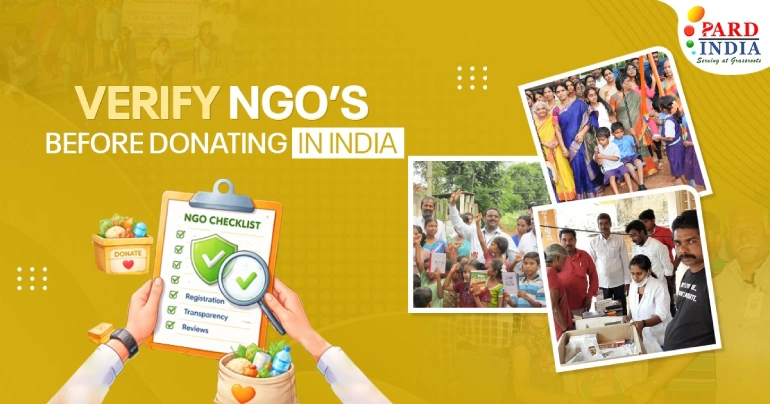
Critical Checks to Do Before Donating to a Non-profit Organization in India
Donating to non profit organizations in India is extremely rewarding and leaves you with a feeling of unexplained happiness. It doesn’t matter what type of NGO you pick to donate to. Your genuine, positive intention when donating can have an influential impact on a child’s or an adult’s life. The significance of helping children, providing medical care, education, and disaster relief, and many other efforts has risen significantly due to the rapid growth of online fundraising, the large number of NGOs in India, and social media donation campaigns. Many prospective donors are unsure that their donations are reaching those who desperately need them because of a lack of transparency between NGOs and donors.
Furthermore, trust is one of the fundamental reasons many donors are unsure whether to donate to non profit organizations in India. Nevertheless, it is essential for potential donors to have confirmation of the donation to a trusted NGO before donating to help deprived communities that genuinely need donations. To every donor, ensure to check and confirm that you are donating to an honest NGO that is working rigorously at the grassroots level. Additionally, in this comprehensive guide, we will discuss the fundamental checklist that every donor should consider before donating to an NGO in India.
Major Points to Check Before Donating to an NGO
Here, we have mentioned major items worth checking into when making an informed decision if you want to donate to non profit organizations in India:
1. Ensure that the NGO is registered and genuine
The first need is to ensure that an NGO is properly registered under the Societies Registration Act, 1860 (for societies), the Indian Trusts Act, 1882 (for charitable trusts), or Section 8 of the Companies Act, 2013 (for non-profit companies). Moreover, every valid charitable NGO will have the appropriate documents, including proof of registration with the relevant regulatory body, as well as all legally required documents. Confirming the registration of an NGO, it will provide assurance and trust to you, demonstrate transparency, and be consistent with federal legislation.
2. Ensure to Check Previous Work Portfolio and the Real Social Impact
One accurate way to assess an NGO is to examine its track record of fundamental work for deprived communities. Reputed NGOs typically publish on their websites or in professional publications to demonstrate the change they are bringing to society. Checking the calendar of events and documented successes can give you a brief idea of the NGO’s experience over time. Here, we have compiled some examples of how you can evaluate an NGO’s previous success include:
- Success stories documented
- Real photographs and videos of the events
- Humanitarian aid efforts documented (e.g., Flood Relief, Pandemic Relief, etc.)
- Evidence of related activity for the events (through Social Media posts)
- Testimonies from both the beneficiaries and Volunteers
- Documented projects
If the charity has only used stock photos, does not provide enough information about its programs and/or projects, and does not provide sufficient evidence of past success, then it is best not to donate to this charity. Genuine non profit organizations in India will always be able to provide complete and accurate information about their past successes, as well as an endless supply of stories about the effects of their work.
3. Review Their Honesty and Transparency with Funds
Ensure to check how transparent they are about how they get their donations. Furthermore, transparency is a significant hallmark of an NGO, making it worthy of your trust. Here are some checklists that show that the NGO you have picked for your donation will be entirely honest and open about the things that are mentioned below:
- The process of how every donation is allocated
- The donation’s amount that will directly goes in general overhead costs
- The donation’s amount that is directly used for the particular purpose of the NGO
- Annual Financial Statements and Budget
- Detailed Projects reports
Most non profit organizations in India will issue an annual report showing how they have used the donation and where the donation has been used. This will ensure that you are aware of where your donation has been used. Hence, if an NGO does not want to give out its financial statements and/or does not want to answer questions on how it uses the money that it raises, you should not trust it. You should always be clear on how your donations will help a needy person.
4. Ensure to Confirm Accurate Contact and Physical Address
When it comes to making a donation, you must know whether an NGO provides accurate contact details and whether it has a registered physical address. Honest NGOs in India have certified and appropriate contact details made publicly accessible through social media, such as:
- The exact physical address of the NGO’s registered business place.
- An official email ID for all professional communication.
- A dedicated person or a group of individuals is responsible for handling the organization’s all professional work.
- A working phone number
Whenever possible, ensure to contact the NGO via email or by calling in person. An honest NGO will usually answer promptly and professionally to any question related to the firm or its key input for the deprived community. Fake non profit organizations in India might give you inaccurate addresses or non-working contact numbers. It is crucial to visit their location in person to verify the organization’s validity.
5. Make Sure to Comprehend their Mission and Target Heirs
Before planning to step forward and donate to an NGO, it is imperative that you know the organization’s fundamental purpose and its hierarchy, and that your values are not in conflict with this. Donating to an NGO that aligns with your purpose is one of the most valuable ways to help deprived communities and will also allow you to experience a greater impact from your donation. Furthermore, NGO’s future plans and goals to achieve those aimed purposes must also be clear and concise. Therefore, you should know and understand the types of relief the NGO provides. Several types of alternatives exist, but when it comes to health, education, food, water, and disaster assistance, they are non-negotiable.
Moreover, when you donate to a non-government organization, ensure that you get proper documentation regarding your donation, as follows:
- An acknowledgement of your donation, whether it’s products or a monetary donation.
- A certified donation receipt.
- A confirmation message or text of your donation from a verified professional email ID or phone number.
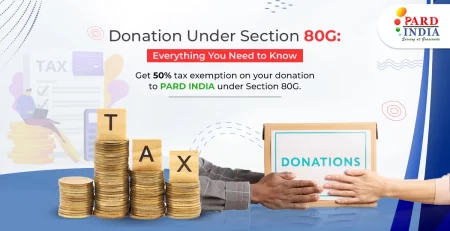
- Appropriate details regarding the 80G Tax Exemption (if it is applicable according to your donation type)
- A clear and concise understanding of how your donation will be used for the welfare of deprived communities.
Final Words!
Donating to non profit organizations in India becomes a meaningful and smooth process when you follow a clear, concise procedure, choose a thoughtful cause, verify the organization’s authenticity, receive transparency, and donate securely. Nevertheless, whether you support healthcare, grassroots communities, education, or basic rights, every contribution makes a real difference.
Reliable NGOs like PARD INDIA, known for helping deprived communities in every aspect of their lives, whether it is education, employment, healthcare, or more. Furthermore, your single donation will help us build a brighter future for underprivileged individuals. At PARD INDIA, your thoughtful choices, responsible donation, and your much-needed support can directly transform lives and help build a more compassionate India.
Frequently Asked Questions
Yes, it is very important to understand an NGO’s mission. The donation will be effective only if the NGO’s mission aligns with your values.
You can review the NGO’s annual, financial, and project reports. Genuine NGOs always disclose details of the funding they have received and the amounts they have spent on projects and administrative purposes. If the NGO does not reveal the details of funding, it is always better to be a little cautious.
It is crucial to check an NGO’s past work. Success stories, photographs, videos, and social media updates will surely give an idea of the NGO’s actual work. Do not trust an NGO just by looking at its website, which may have fake photographs.
After donating, it is always better to receive documents such as receipts, an acknowledgment message, and details of the 80G tax exemption.