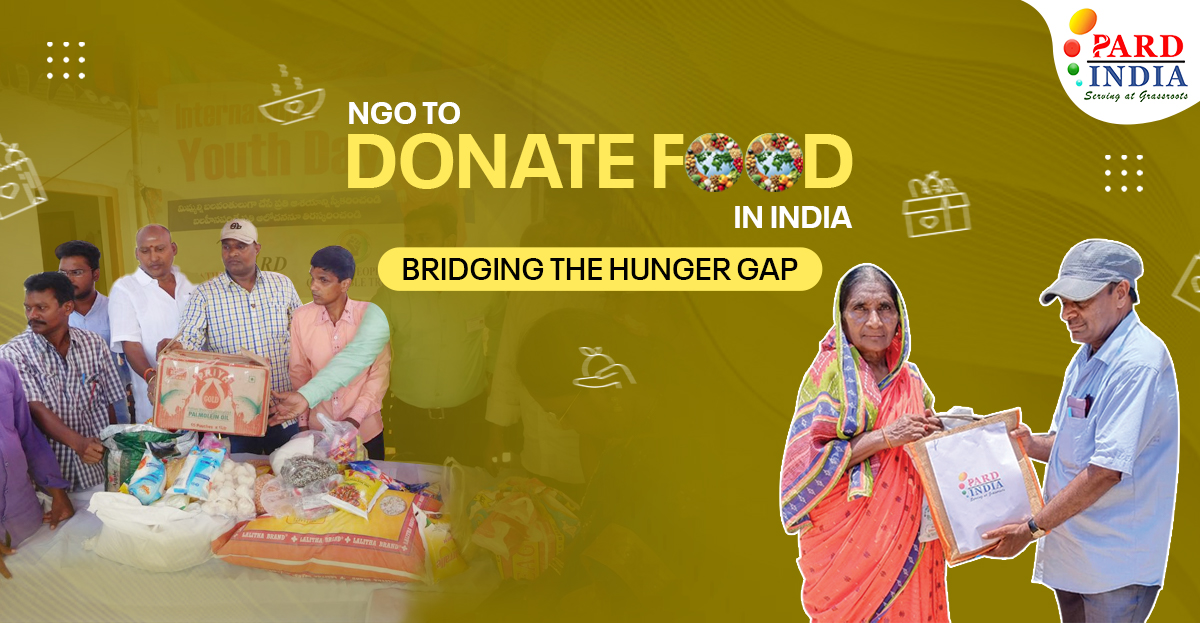
Bridging the Hunger Gap: From Food Surplus to Sustenance in Rural Communities
India is a vast country, and our agricultural sector is not weak. So, it’s safe to say that India produces enough food to feed its entire population. Yet, millions of children and families go to bed hungry every night, and we have a significant number of undernourished people. Given that FSSI (Food Safety and Standards Authority of India) has introduced us to a philosophy that focuses on utilizing waste food. On one hand, when people rely on NGO to donate food in India, the other side enjoys and wastes massive amounts of perfectly good food daily.
Because many reports have proven that a lack of basic nutrition slowly deprives children of their education and future. Likewise, after a movement and awareness, individuals and corporations are finally waking up to reality and are actively searching for reliable food-donating NGOs. To ensure their surplus and donations reach the right hands and create some difference in people’s lives. Many NGOs are increasingly stepping up as the NGO to donate food in India, collecting and distributing food to people in need.
The Gap Between Urban Surplus and Rural Scarcity
The country is an exemplification of contradictions. In the bustling cities of India, hospitality sectors, corporate cafeterias, and luxurious functions produce enormous quantities of completely edible food waste daily. However, in the distant villages just a few hundred kilometers from these cities, marginalized families suffer from chronic, multi-generational malnutrition.
Initiatives bring an important truth: the reason for the hunger crisis in India is not inadequate food production in the nation. It is the food recovery and safe distribution that is posing challenges to the nation. Recovering food waste from cities is the right way to begin. But getting this food safely distributed through the fragmented chain to the needy areas of India is no small task.
Understanding the hunger gap and its solution is extremely necessary for understanding the importance of grassroots-level intervention.
| Factor | Urban Food Surplus | Rural Food Scarcity | How NGOs Bridge the Gap |
|---|---|---|---|
| Availability | Excess food generated daily by households, hotels, and mass events. | Chronic lack of affordable, nutritious food for marginalized daily wagers. | Facilitating safe recovery and redirecting resources to rural belts. |
| Logistics | Concentrated in easily accessible city centers and corporate hubs. | Isolated villages lacking proper roads, transport, or cold storage. | Utilizing grassroots volunteers to navigate tough rural terrains safely. |
| Impact | When wasted, it contributes to severe environmental and economic loss. | Causes stunted growth, poor maternal health, and high school dropout rates. | Transforms potential waste into life-saving meals and community sustenance. |
How PARD INDIA Delivers Sustenance to the Grassroots?
Connecting the vast disparity of urban abundance and rural hunger is not merely a matter of filling the trucks with food. It needs trust built within the communities, committed volunteers, and an enormous presence in the field. For conscious people and CSR professionals who seek an effective NGO to donate food in India. Selecting the right partner in understanding rural logistics can prove critical.
And that is precisely what PARD INDIA brings to the table. With a combination of efficient logistics and rural empowerment, they ensure that the generosity of donors translates to effective aid. Here are four ways they excel in delivering food from grassroots to villages:
1. Identifying Vulnerable Zones
Urban food donation might be a simple task, but reaching out to marginalized regions, remote villages, and other regions requires local knowledge. PARD INDIA carefully identifies such regions, which have been historically ignored by government food aid programs.
2. Ensuring Safe Distribution
The distribution of the recovered food needs to be done keeping hygiene in mind. At all times, PARD INDIA ensures that, whether it is the cooking of the fresh meals or the distribution of the dry grocery kit, all of it is done under hygienic conditions.
3. Integrating Nutrition with Education
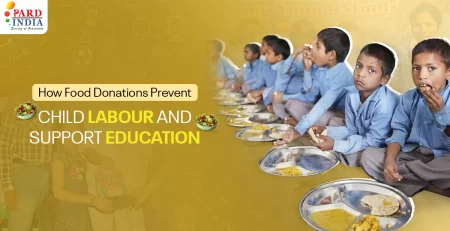
The organization believes that food can do much more than satiate an empty stomach, and it can educate people. Through regular supply of food to poverty-stricken families, they ensure that “classroom hunger” no longer exists amongst those poor kids. This basic measure stops them from indulging in agricultural child labor in order to earn some bread.
4. Empowering Rural Women
Nutrition problems hit the hardest among the mothers and infants in rural India. Instead of providing general nutrition assistance, PARD INDIA focuses on the health of mothers. By making sure that expectant mothers, breastfeeding mothers, and toddlers get enough nutrition supplements, they are not only curing malnutrition of their generation but of future generations to come as well.
Wrapping It Up!
To completely bridge this hunger gap, we need to act collectively to move the resources from where they are abundant. To areas where they are needed the most, so it can equalize the difference, and things get utilized while providing. NGO to donate food in India can already start to make the move with many of their drives, programs, and campaigns. We can also support them by choosing the right NGOs, so the contribution doesn’t just feed a stomach but uplifts a community.
If you are looking for such an NGO that can help you do that, then look no further than PARD INDIA. We are an NGO based in Andhra Pradesh and have impacted several lives through our education support and feeding programs. Furthermore, through scholarship initiatives, women’s empowerment, real-life skills, girl child protection, supporting families, and awareness on environmental issues. So, choose us as an NGO to donate food in India to ensure the food is delivered to the family in need.
FAQs
Rural parts of India lack proper infrastructure, paved roads, and cold storage that can make food supply convenient and possible. Therefore, NGOs came into the picture by bridging these gaps by establishing local networks from hotels and restaurants to villages. It ensures safe and timely delivery of recovered food and essential groceries to marginalized communities.
Initiatives like the government’s Share Food campaign and other programs and initiatives by PARD INDIA prevent surplus meals from reaching landfills. Rather, it gets redirected, and the surplus nourishes impoverished families, minimizes environmental waste, and combats widespread child malnutrition across the country effectively.
While nutrition is crucial, PARD INDIA also focuses on other areas to support the holistic development of rural areas. Such as implementing comprehensive rural healthcare services, organizing medical camps, promoting maternal health, and providing vital hygiene awareness in local communities. These help us to uplift the marginalized communities holistically and sustainably.
PARD INDIA has evolved into a big NGO from being a small study group. Therefore, beyond nutrition, we heavily invest in child education by providing school supplies and establishing tuition centers. These initiatives prevent child labour, ensuring rural children stay in school to build their brighter futures through textbooks.
PARD INDIA actively drives sustainable environmental programs by organizing extensive tree plantation drives. To promote clean drinking water projects and conducts climate change awareness campaigns in many places. It all combines to protect and nurture our vulnerable rural ecosystem.